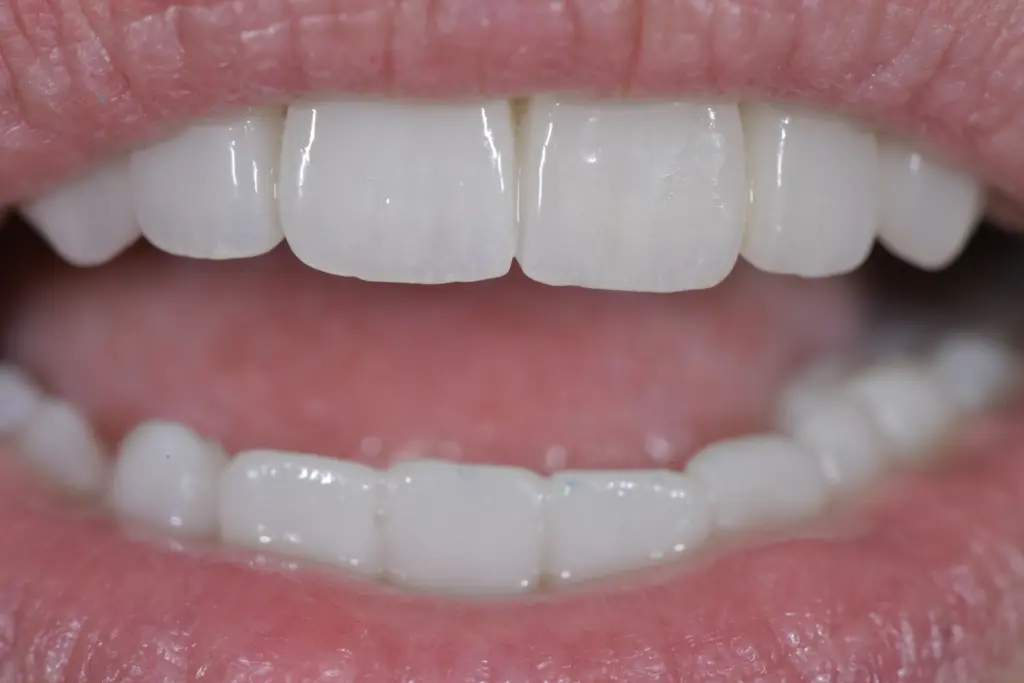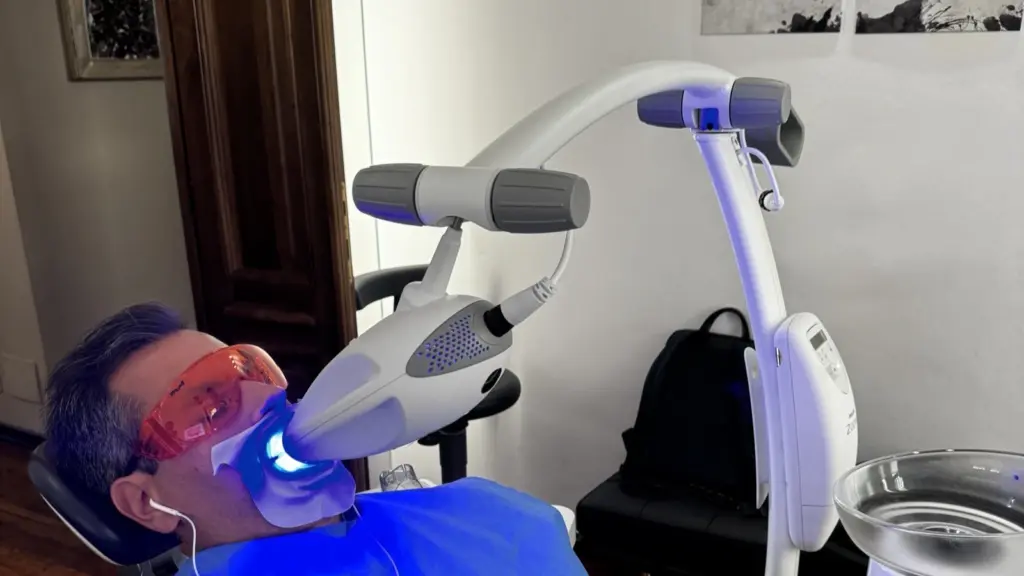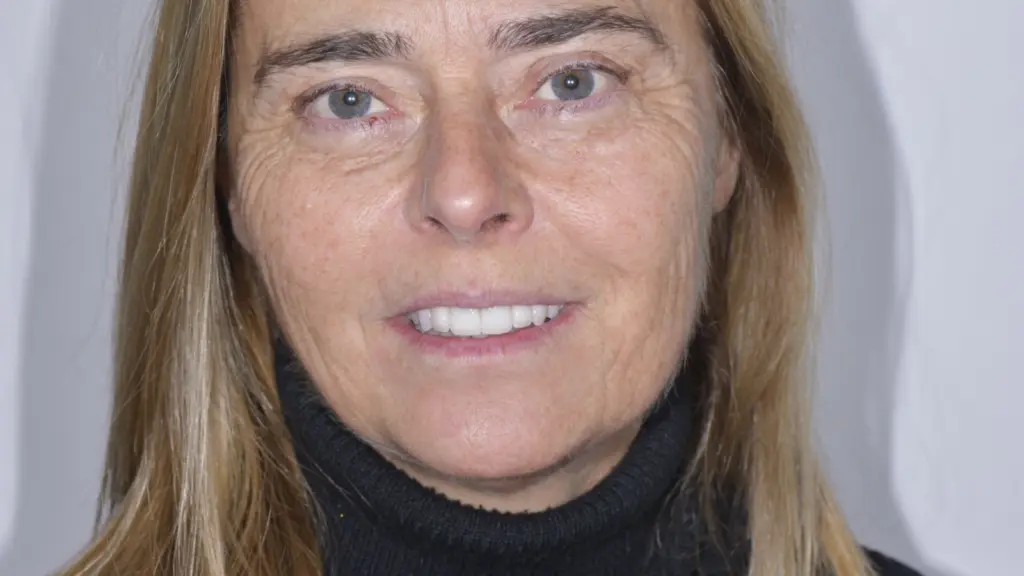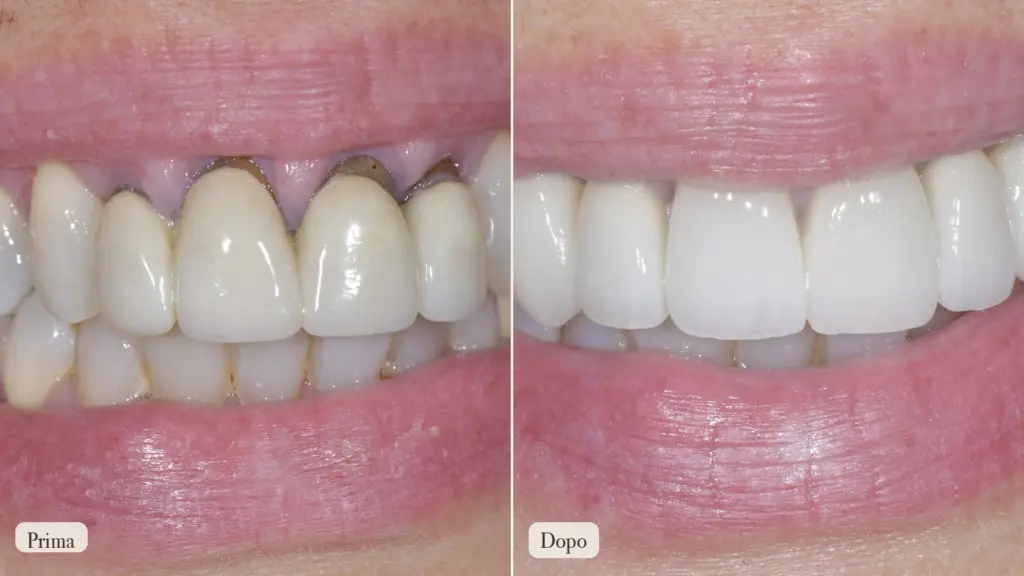
Ceramic veneers follow five stages: assessment, diagnostic wax-up, aesthetic trial in the mouth, conservative preparation and adhesive cementation. Naturalness is decided on the mock-up, before touching the teeth; if the defect is only one of position or colour, alignment or whitening remain sufficient.
Who veneers are indicated for and when it is better to wait
Those considering veneers often fear two things: a conspicuous result, the same for everyone, and the impossibility of going back. The step-by-step process addresses both, because every choice is seen in the mouth before becoming definitive. It is aimed at those who want to act on the shape, colour or small defects of the front teeth with a plan that can be verified before committing, and at those who accept a wait between sessions to check the result. It is a suitable path when the periodontal tissues are healthy, the occlusion is stable and the aesthetic request concerns the visible area of the smile.
It is not a suitable path for those seeking a transformation in a single session without a diagnostic phase, for those with unmanaged parafunctional habits, such as severe bruxism, or when the defect is functional before it is aesthetic and first requires orthodontics, endodontics or bite raising. In these situations the correct step is the assessment, not the veneer.
How we decide whether veneers are the correct option
The decision arises from a visit in which we distinguish the aesthetic problem from the functional problem. We observe the health of the gums, assess the occlusion and the residual enamel with a clinical examination and photographs. Digital scanning with 3Shape TRIOS 6 makes it possible to study the relationships between the front teeth without traditional impressions.
We then discuss with the person: what they want to change about their smile, what they want to preserve, which previous aesthetic experiences have disappointed them. If alignment with Invisalign, a composite touch-up or simple whitening resolve the case better, we indicate the more conservative option. Clarifying when veneers are really needed is part of the decision itself: they are proposed when they reduce a risk or resolve a problem that would remain unresolved with less invasive measures.
The clinical stages from assessment to delivery
The process unfolds in separate appointments, each with a precise task. In the first session we gather photographs, a digital scan and an occlusal analysis and discuss the aesthetic goals: this is where the plan for the new smile is born, which in the phase of digital smile design takes on a verifiable form. In the second session we present the diagnostic wax-up, that is, the three-dimensional simulation of the result made by the laboratory on the models: the person sees the plan before anything is touched. In the third session the aesthetic trial of the plan is carried out in the mouth using a temporary, non-invasive mock-up, from which shared changes arise.
In the fourth session the conservative preparation of the teeth is carried out according to the thickness already confirmed in the mock-up, with a final scan and aesthetic provisionals: the laboratory works with real references, not on assumptions. In the fifth session the ceramic veneers are tried in, shape and colour are checked in natural light and adhesive cementation is performed. The weeks between sessions serve to settle the decisions.
The aesthetic trial in the mouth before preparing the teeth
The aesthetic trial, or mock-up, is the step that makes the plan verifiable before any preparation. The laboratory makes a wax-up on the model, the clinician transfers it into the mouth in temporary resin, without grinding the enamel. The person observes the new smile in natural light, photographs it and compares it with their own expectations.
From here changes may arise: a length to be revised, a profile to be softened, a colour to be warmed. The plan is adjusted before the tooth is touched. A split-mouth randomised clinical trial (the two halves of the mouth treated with different materials) published in 2019, which compared maxillary anterior veneers with mock-up-guided preparation, showed a cumulative survival at ten years of 100% for ceramic veneers against 75% for indirect composite ones, with better outcomes also for colour match, surface roughness and resistance to fracture and wear. The aesthetic trial reduces uncertainty and makes the preparation more conservative.
Materials, amount of enamel and durability over time
The choice of material follows the case, not an abstract aesthetic preference. The hand-layered feldspathic ceramic is the reference choice when translucencies and nuances that reproduce the variability of a natural tooth are what matter; pressed glass-ceramics, such as lithium disilicate, are reserved for cases with more demanding loads, where greater strength is needed. Both fall within silica-based ceramics: a 2024 literature review documents good clinical survival rates for these ceramics when the adhesive protocol is rigorous, with hydrofluoric acid etching and silanisation of the surface.
A 2002 quantitative study on preparation designs measured that a veneer removes approximately 3-30% of the coronal tissue by weight in conservative designs, against the 63-72% required by a full crown. It is a useful figure for placing veneers in their clinical space: thin aesthetic restorations, bonded to healthy structure, which call for an accurate plan in the preliminary phase, because their retention depends on the bond with the residual enamel.
How the result is maintained over the years
A smile built step by step needs to be supported over time with routine care and targeted attention. Daily home hygiene with a small-headed toothbrush, floss or interdental brush at the contact points and toothpastes that are not too abrasive protects the margins of the veneers and gum health. Professional hygiene sessions, normally scheduled every six months, make it possible to check the integrity of the adhesive edges, assess any wear on the opposing surfaces and promptly intercept signs of overload.
People with night-time clenching are offered a custom-made protective night guard after delivery: it is a simple measure that protects the restoration over time. In the event of trauma or the rare debonding of a veneer, the restoration can be remade without affecting further tissue when the underlying structure is intact. The natural appearance of feldspathic ceramic veneers is also affected over time by the layering technique and the ceramist's colour choice, which must be respected in every subsequent repair or replacement.
Frequently asked questions
Are ceramic veneers reversible?
Ceramic veneers require preparation of the enamel, even if minimal, so they are not completely reversible like a resin mock-up. The amount of tissue involved remains limited compared with other prosthetic restorations, but the step must be decided with awareness. This is why the aesthetic trial before preparation is central: it makes it possible to confirm the plan while the tooth is still intact.


attentive and always willing to explain every stage of treatment.
Show less
I began treatment with Dr Gianluca Buniato to straighten my teeth as an adult — I am 40 — and I can say it was one of the best decisions I could have made. Thanks to a carefully planned course of orthodontic treatment lasting less than two years, I achieved results I would never have thought possible: my smile has changed completely and I finally feel confident showing it!
Dr Buniato is extremely precise, attentive and always willing to explain every stage of treatment. The entire team is also kind, welcoming and very well organised. The practice, on Corso Francia in Turin, is carefully designed down to the smallest detail and immediately gives you a sense of trust and calm.
Although I live quite far from the practice, the excellent reviews persuaded me to put my trust in the doctor, and I can confirm that it was the right choice.
I absolutely recommend this practice to anyone who wants to improve their smile with professionalism, technology and plenty of personal attention.
How many sessions are needed and how long does it all take?
The complete process is structured over five appointments spread over a few weeks, to leave room for the aesthetic choices, the laboratory work and the intermediate trials. The timing is part of the method that makes the result more predictable: it is not a treatment that can be completed in a day, and it is the sequence that protects both the naturalness and the conservative nature of the work.

The procedures were planned in advance according to the patient’s actual needs
Show less
A dental practice with cutting-edge technology and highly professional staff. The procedures were planned in advance according to the patient’s actual needs and carried out perfectly. Both organisationally and medically, it is undoubtedly among the best dental practices in Turin. Many thanks to Dr Buniato and all the wonderful staff at the practice!
I have night-time bruxism: can I still consider veneers?
Unmanaged bruxism is a relative contraindication: it overloads the adhesive restoration and shortens its lifespan. Before proposing veneers, the presence of clenching, the wear of the occlusal surfaces and the possibility of protecting the work with a custom-made night guard are assessed. In some cases the management of the parafunction precedes the aesthetic restoration.

From the start, the doctor was very helpful and courteous and clearly explained the work he would need to do.
Show less
I did not know Dr Buniato and found him through an internet search. My old bite splint had broken, and I was looking for a practice that used cutting-edge techniques to make a new one. From the start, the doctor was very helpful and courteous and clearly explained the work he would need to do. Once the splint had been made, we had to meet several times so that he could adjust it to fit my teeth as well as possible. Now I have a splint that does its job perfectly. Above all, I greatly appreciated his human warmth, helpfulness, courtesy, calm manner and ability to explain the various steps that would follow. The reception staff are excellent too. The practice is clean, modern and well cared for. What can I say: these days, a doctor like this is almost a rarity. So I recommend him and thank him sincerely.
If I do not like the mock-up, can the plan be changed?
Yes. This is precisely what the mock-up is for: it makes the plan visible while the teeth are still intact, so changes in length, shape or colour take place on a temporary resin and not on a definitive restoration. If the provisional result is not convincing, the wax-up is updated or the choice is made not to proceed. Preparation does not begin until the plan is confirmed.

friendly and willing to listen
Show less
Clean and always tidy premises Excellent staff The doctor is always friendly and willing to listen and find solutions for every need The paediatric dentist is very pleasant and wonderful with children and teenagers The nurses complete the team with excellence and professionalism
For a personalized evaluation of your case, Dr. Buniato is available for one first specialist visit with a complete diagnostic analysis. The practice is at Corso Francia 30 in Turin, Principi d'Acaja stop.
Sources
- Komine F, Furuchi M, Honda J, et al. Clinical performance of laminate veneers: A review of the literature. Journal of Prosthodontic Research. 2024. doi:10.2186/jpr.JPR_D_23_00151. PMID: 38220160
- Gresnigt MMM, Cune MS, Jansen K, et al. Randomized clinical trial on indirect resin composite and ceramic laminate veneers: Up to 10-year findings. Journal of Dentistry. 2019. doi:10.1016/j.jdent.2019.06.001. PMID: 31181242
- Edelhoff D, Sorensen JA. Tooth structure removal associated with various preparation designs for anterior teeth. The Journal of Prosthetic Dentistry. 2002. doi:10.1067/mpr.2002.124094. PMID: 12070513