In summary. The professional hygiene session is not an aesthetic cleaning: it is a therapy that removes the organized bacterial biofilm and the supragingival and subgingival tartar that the toothbrush and floss cannot reach. Its frequency is not the same for everyone: it is based on the individual risk profile, with intervals that generally range from 3 to 6 months. The periodic recall is not an additional sale, but the phase of the process that protects the result of every treatment over time, including natural teeth and implants.
Why is the professional session not "a cleaning" but a therapy?
The difference lies in what is removed and why. Bacterial biofilm is continuously deposited on the teeth, an organized and adherent film which does not come off in a few hours with just rinsing and which, where it is not removed, mineralizes into tartar. Supragingival tartar is visible and rough; the subgingival one forms under the gum margin, inside the sulcus and in the pockets, where no home instrument reaches. It is precisely that deep deposit that maintains the inflammation of the supporting tissues, the mechanism underlying gingivitis and, if neglected, periodontitis. The professional session intervenes on this: it breaks up the biofilm, removes the tartar in the two areas and brings the surfaces back to a condition that the patient can then maintain at home. This is why we talk about therapy and not cosmetics. In the path of a periodontal patient, the maintenance phase is recognized by European clinical guidelines as an integral and non-optional part of the treatment, without which the results obtained tend to regress.
What does the Guided Biofilm Therapy protocol consist of?
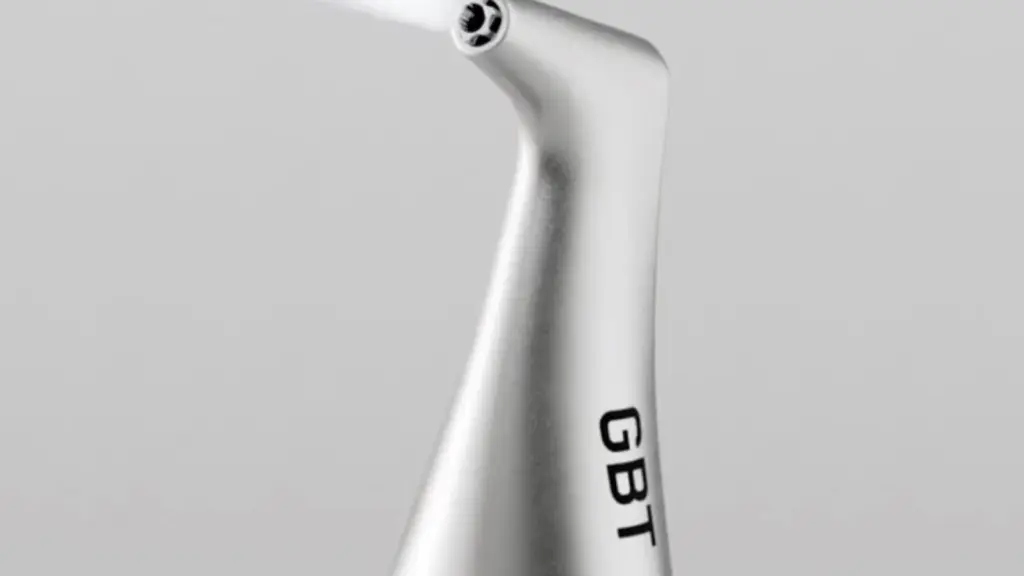
Guided Biofilm Therapy (GBT) is an orderly sequence that starts from the diagnosis and puts the removal of the biofilm at the center, even before the removal of the hard tartar. It begins with the detection of the biofilm using a dye, which makes visible where the bacteria are actually organized and guides both the operator and the patient. This is followed by air-polishing, i.e. the removal of the biofilm with a jet of low abrasive powder and water; the use of heated water makes the passage more comfortable, an important aspect for those with sensitive teeth. Only where mineralized tartar remains are we able to intervene with dedicated instruments, in a targeted manner and not on the entire arch regardless. In periodontal maintenance, subgingival air-polishing with low abrasive erythritol-based powders was studied in a twelve-month randomized clinical trial, which described its effectiveness and good tolerability in controlling biofilm in residual pockets. The point of the sequence is to treat the most widespread and least visible disorder first, biofilm, reserving the most invasive instrumentation for the deposits that really require it.
How often should professional hygiene be performed?
There is no one-size-fits-all interval, and this is a point on which the literature is clear. A Cochrane systematic review on recall intervals concluded that, in adults, there is no solid evidence in favor of a fixed interval that is the same for the entire population: the reasonable choice is to tailor it to individual risk. In practice, those who have healthy gums, good oral hygiene at home and no risk factors can maintain good oral health with longer intervals between recall appointments, while those who have a history of periodontitis, tend to form tartar rapidly, smoke or live with systemic conditions such as diabetes benefit from closer intervals, typically every 3 or 4 months. The risk profile is not a fixed label: it is re-evaluated at each session by observing bleeding, pocket depth and speed of deposit reformation, and the interval adapts accordingly. The value of this approach is documented in the long term: a plaque control program followed for thirty years showed very limited tooth loss and a low increase in tooth decay and periodontal disease in adults with regular maintenance. In short, frequency is not a commercial convention but a clinical variable.
How do you maintain an implant and prevent peri-implantitis?
An implant does not decay, but the tissues surrounding it can become inflamed just like those around a natural tooth. Peri-implant mucositis is the reversible inflammation of the soft tissues; peri-implantitis is its evolution with loss of the supporting bone, an evolution that is difficult to reverse. Epidemiological reviews show that these conditions are not uncommon among implant recipients, making prevention the most sensible strategy. The main lever is regular professional maintenance: a meta-analysis found that patients included in a periodic control program develop less peri-implant disease than those who do not follow it, and a five-year follow-up study observed a higher frequency of peri-implantitis in subjects without preventive maintenance. On an operational level, hygiene sessions for implants use instruments and powders compatible with implant surfaces and pay attention to the tissue margin, where biofilm tends to accumulate. The practical message is simple: a well-integrated implant lasts if the surrounding tissue remains healthy, and the tissue remains healthy if biofilm control is constant, in the office and at home.
What home hygiene methods really work?
The professional session protects the result only if, between recall appointments, oral hygiene at home is effective: it is the other half of the therapy. On brushing, a Cochrane systematic review documented that electric toothbrushes reduce plaque and gingivitis more than manual toothbrushes, both in the short and long term; however, a manual toothbrush also remains effective when used with the correct technique and for an adequate length of time. The most overlooked point concerns the spaces between the teeth, which the toothbrush does not clean: here the Cochrane review on interdental devices indicates that the use of interdental brushes or floss in addition to brushing can reduce gingivitis and plaque, with interdental brushes often more effective where anatomical space allows it. The choice of interdental instrument - interdental brush, floss or dedicated devices - depends on the width of the spaces and the person’s dexterity, and must be calibrated during the hygiene session, where the hygienist demonstrates the technique on the actual case. The goal is not to accumulate tools, but to identify the few daily gestures that, for that specific mouth, make the difference. Anyone living with a history of periodontitis can find a broader picture on the page dedicated to periodontology.
Why is periodic recall not an upsell?
The recall is the phase that makes everything else stable, not an extra service sold. After periodontal therapy, after rehabilitation with implants or simply in a healthy mouth, the biofilm starts to deposit again the same day: without periodic professional removal, the inflammation tends to return and the results obtained are lost. The European clinical guidelines on the treatment of periodontitis place supportive periodontal therapy - maintenance - as the fourth structural step of the path, with the same importance as the active phases. Scheduling the recall, therefore, does not add an extra procedure: it closes the treatment cycle and protects it over time. For this reason the interval is decided based on the risk and not proposed in a uniform way: it is a clinical choice, verifiable at each session, not a commercial calendar.
Frequently asked questions
Does professional dental cleaning hurt?
The professional hygiene session is generally well tolerated. The Guided Biofilm Therapy approach, which favors air-polishing with low abrasive powders and heated water, tends to be more comfortable than instrumental scaling alone, especially for those with sensitive teeth. Where there are deep pockets or marked inflammation, any discomfort can be controlled with local anesthesia.


his human warmth, helpfulness, courtesy, calm manner and ability to explain the various steps that would follow.
Show less
I did not know Dr Buniato and found him through an internet search. My old bite splint had broken, and I was looking for a practice that used cutting-edge techniques to make a new one. From the start, the doctor was very helpful and courteous and clearly explained the work he would need to do. Once the splint had been made, we had to meet several times so that he could adjust it to fit my teeth as well as possible. Now I have a splint that does its job perfectly. Above all, I greatly appreciated his human warmth, helpfulness, courtesy, calm manner and ability to explain the various steps that would follow. The reception staff are excellent too. The practice is clean, modern and well cared for. What can I say: these days, a doctor like this is almost a rarity. So I recommend him and thank him sincerely.
How often should I do professional hygiene?
It depends on your risk profile. The literature does not identify a single interval that is optimal for everyone: those with healthy gums and good home hygiene can space out recalls, while a history of periodontitis, rapid tartar formation, smoking or diabetes indicate closer intervals, often every 3-4 months. The interval is reevaluated at each session.

their kindness in welcoming patients and their helpfulness in arranging appointments.
Show less
Dr Buniato and his entire team stand out for their great professionalism and expertise, as well as for their kindness in welcoming patients and their helpfulness in arranging appointments. A dental practice I absolutely recommend!!
Can subgingival tartar be removed at home?
No. The toothbrush and interdental devices remove the biofilm above the gum margin and prevent the formation of new tartar, but the already mineralized deposit, in particular the one under the gum, can only be removed with professional instruments. This is the clinical reason why periodic sessions remain necessary even in those who take good care of daily hygiene.

The dentists are professional and attentive to each patient’s particular sensitivities.
Show less
The practice has a very welcoming waiting room, and all the rooms are bright and clean. The staff are professional, and the reception team is well organised when it comes to information, appointments and email reminders for them. The dentists are professional and attentive to each patient’s particular sensitivities. In conclusion, I am fully satisfied with the treatment and the result achieved.
I have implants: do I need different controls?
Yes. Implants do not decay, but the tissues surrounding them can become inflamed and, in neglected cases, lose supporting bone (peri-implantitis). Regular professional maintenance is associated in the literature with a lower incidence of peri-implant disease, and the session uses instruments and powders compatible with implant surfaces.

He works with great attention to patients’ needs.
Show less
I have known the Buniato dental practice for several years, after various experiences at other practices! I have always had a good experience: the doctor and his colleagues are knowledgeable, kind and precise. He has always advised me tactfully but professionally, and I must say that, although I am quite afraid of the dentist, I feel calm with him. He works with great attention to patients’ needs. Thank you again. Elisabetta
Is the electric toothbrush or the manual one better?
Systematic reviews indicate that electric toothbrushes reduce plaque and gingivitis more than manual ones. However, a manual toothbrush remains effective when used with the correct technique and for an adequate length of time. In both cases, cleaning the interdental spaces with an interdental brush or floss is the gesture that is most often overlooked and is decisive.

friendly and willing to listen
Show less
Clean and always tidy premises Excellent staff The doctor is always friendly and willing to listen and find solutions for every need The paediatric dentist is very pleasant and wonderful with children and teenagers The nurses complete the team with excellence and professionalism
Are regular recall appointments really necessary, or are they just an extra procedure?
It is necessary. The biofilm continually reforms and, without periodic removal, the inflammation and its effects tend to return. Clinical guidelines consider maintenance therapy a structural part of the process, not an optional addition: it is what makes the result of treatment stable over time.

Dr Buniato and his team are professional, patient and empathetic, listening carefully and answering my questions.
Show less
The clinic’s appointment system is very convenient, and booking online is simple and quick. The treatment environment is clean, tidy and comfortable, with advanced facilities and a warm, relaxing waiting area that effectively eases the tension of visiting the dentist. Dr Buniato and his team are professional, patient and empathetic, listening carefully and answering my questions. Communication entirely in English was effortless. It was a wonderful dental experience, and I highly recommend it to friends and family!
Sources
- Fee PA, Riley P, Worthington HV, Clarkson JE, Boyers D, Beirne PV. Recall intervals for oral health in primary care patients. Cochrane Database Syst Rev. 2020;10:CD004346. PubMed.
- Müller N, Moëne R, Cancela JA, Mombelli A. Subgingival air-polishing with erythritol during periodontal maintenance: randomized clinical trial of twelve months. J Clin Periodontol. 2014;41(9):883-889. PubMed.
- Worthington HV, MacDonald L, Poklepovic Pericic T, et al. Home use of interdental cleaning devices, in addition to toothbrushing, for preventing and controlling periodontal diseases and dental caries. Cochrane Database Syst Rev. 2019;4:CD012018. PubMed.
- Yaacob M, Worthington HV, Deacon SA, et al. Powered versus manual toothbrushing for oral health. Cochrane Database Syst Rev. 2014;6:CD002281. PubMed.
- Derks J, Tomasi C. Peri-implant health and disease. A systematic review of current epidemiology. J Clin Periodontol. 2015;42(Suppl 16):S158-S171. PubMed.
- Monje A, Aranda L, Diaz KT, et al. Impact of Maintenance Therapy for the Prevention of Peri-implant Diseases: A Systematic Review and Meta-analysis. J Dent Res. 2016;95(4):372-379. PubMed.
- Costa FO, Takenaka-Martinez S, Cota LO, et al. Peri-implant disease in subjects with and without preventive maintenance: a 5-year follow-up. J Clin Periodontol. 2012;39(2):173-181. PubMed.
- Axelsson P, Nyström B, Lindhe J. The long-term effect of a plaque control program on tooth mortality, caries and periodontal disease in adults. Results after 30 years of maintenance. J Clin Periodontol. 2004;31(9):749-757. PubMed.
- Sanz M, Herrera D, Kebschull M, et al. Treatment of stage I-III periodontitis—The EFP S3 level clinical practice guideline. J Clin Periodontol. 2020;47(Suppl 22):4-60. PubMed.
For an evaluation of your specific case, the first specialist visit includes the complete diagnostic analysis and the definition of the maintenance interval best suited to your risk profile.