In summary. When faced with acute dental pain or trauma, the first rule is to distinguish what can be managed at home while waiting from what requires a same-day evaluation. An abscess cannot be resolved with antibiotics alone and should never be heated; a fractured tooth fragment is preserved in milk or saline solution; a permanent tooth ejected from the socket (avulsion) has a prognosis that depends on the minutes. For emergencies, Studio Buniato reserves dedicated daily availability: telephone 011 4373857 and WhatsApp Patient Care.
I have severe dental pain now: what should I do immediately?
The useful immediate measure is to control the pain with an analgesic already tolerated in the past and contact the practice for an evaluation, avoiding maneuvers that could worsen the situation. Acute pain is a signal, not a diagnosis: the same intensity can arise from a deep cavity, an abscess, a fracture or an erupting wisdom tooth, and each of these has a different management. For acute pain, the literature documents that the combination of ibuprofen and paracetamol, in people who have no contraindications, offers better pain control than the two drugs taken individually. This concerns the symptom, not the cause: no analgesic replaces the removal of the origin of the problem. Avoiding sources of heat on the cheek, not placing the aspirin directly on the gum and calling the office to correctly locate the emergency are the three steps that guide the rest.
I have an abscess: are antibiotics enough? Can I apply heat?
No to both questions: the antibiotic alone does not resolve an abscess of dental origin and local heat is contraindicated. An abscess is a collection of pus that arises from an infection starting from the tooth or the supporting tissues; as long as the cause remains — an infected channel, a periodontal pocket, a compromised tooth — the infection tends to recur. The Cochrane systematic review on the topic concludes that, in adults with symptomatic apical periodontitis or acute apical abscess, there is no evidence that systemic antibiotics alone offer a benefit when dental treatment can be performed: these are drainage of the collection and treatment of the tooth (root canal therapy or, where indicated, extraction) to resolve the picture. Antibiotics remain a targeted tool, decided by the clinician, in cases with signs of systemic spread or general impairment, not a shortcut to postpone treatment.
On the home front, the most frequent mistake is to apply heat - hot water bottle, compresses - in the hope of relieving the pain: heat favors the progression of the infection towards the surrounding tissues. If local relief is needed while waiting, cold is preferable, externally and for short intervals. Swelling that extends to the neck or floor of the mouth, difficulty swallowing or opening the mouth, and fever are signs that require immediate contact, without waiting until the next day.
I broke a tooth and I have the fragment: how do I keep it?
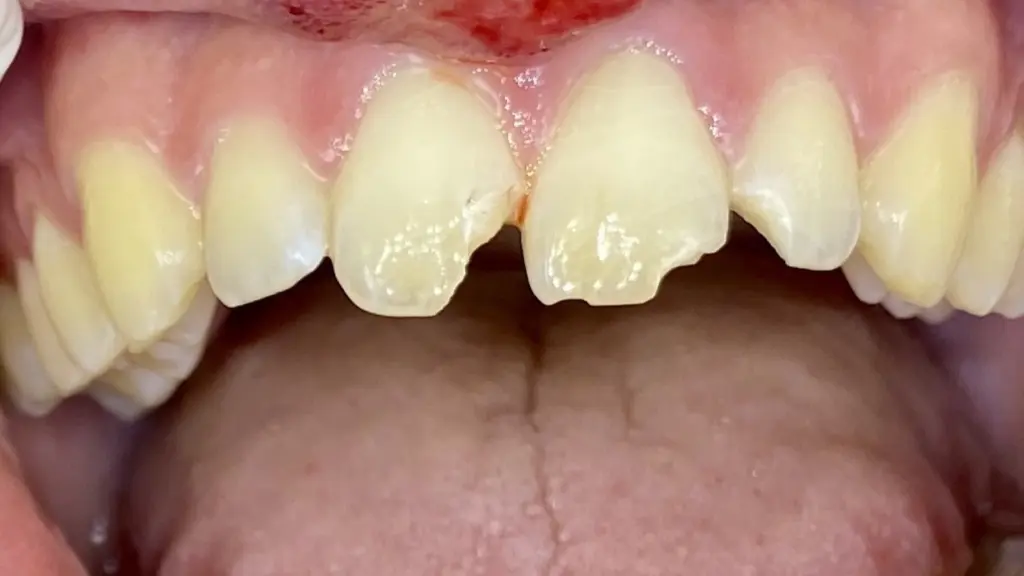
Keep the fragment wet, immersed in milk or saline solution, and bring it with you to the visit: in some cases the fragment can be re-adhered. The international guidelines on dental trauma (IADT) indicate that, when intact, the coronal fragment can be reglued to the tooth, and that it must be kept hydrated to avoid dehydrating the tissues. Therefore, avoid letting it air dry or wrapping it in a handkerchief. In the meantime it is useful to gently rinse your mouth with water, check for bleeding and protect any sharp edges with your tongue or gauze. A fracture can affect only the enamel or reach deep into the pulp: the difference is not always visible to the patient, and this is why even an apparently minor chip deserves a check, preferably a quick one.
My tooth was completely knocked out due to a blow: can it be put back?
Yes, a completely ejected permanent tooth (avulsion) can often be reimplanted, and the prognosis depends crucially on how long the tooth remains out of the socket and how it is preserved. The IADT guidelines on the avulsion of permanent teeth indicate to reimplant the tooth as soon as possible: when conditions permit, immediate reimplantation on site, immediately after the trauma, offers the best conditions for the periodontal ligament. If immediate replantation is not possible, the most important factor is to prevent the root from drying out: the time that the tooth spends dry in the air is the main enemy of the ligament cells, and beyond approximately sixty minutes of remaining dry their survival is markedly reduced.
Correct maneuvers are precise. Pick up the tooth by touching only the crown, never the root. If it is dirty, rinse it briefly with saline solution or milk, without rubbing. If you feel like it and the tooth is permanent, try to gently put it back in place and keep it in place by biting on a clean tissue. If this is not possible, immerse it in a suitable preservation medium: the systematic review on preservation mediums and the IADT guidelines indicate milk and saline solution among the practical and easily available options; in the absence of alternatives, saliva (keeping the tooth in the vestibule of the mouth, if there is no risk of ingestion) is preferable to air or water. Tap water should be avoided as a preservation medium because it damages the ligament cells. Then immediately contact the office or the emergency room: here the minutes really count. Reimplantation is not performed in children's milk teeth, but the evaluation is still urgent.
I have pain and swelling behind the last molar: what is pericoronaritis?
Pericoronaritis is the inflammation of the gingival tissues that partially cover an erupting tooth, typically the lower wisdom tooth, and must be evaluated clinically because home relief is only temporary. The flap of gum above the tooth retains residues and bacteria, resulting in pain, local swelling, sometimes difficulty opening the mouth or bad breath. While waiting for the visit, rinsing with warm, slightly salted water and delicate hygiene of the area can help, but these are containment measures. The definitive management depends on the situation of the tooth: professional cleaning of the area, and based on the position and recurrence of the episodes the shared decision on whether to remove the tooth. When fever or swelling that spreads, contact should be brought forward.
I have pain after surgery: when is it normal and when should I call?
Some pain and swelling are expected in the first few days after an extraction or surgery and generally ease gradually when you follow the instructions provided. However, pain that increases after initially improving should prompt you to call the practice. The usual course is greatest discomfort at the beginning, controlled with the prescribed painkillers, followed by gradual improvement. Signs that warrant contact include intense pain returning a few days later (possibly a dry socket after an extraction), swelling that increases instead of subsiding, fever, bleeding that does not stop with pressure from gauze, or a persistent change in sensation. In these cases, increasing medication on your own is not helpful: describe the symptoms to the practice so that the appropriate next step can be advised.
How does Studio Buniato in Turin manage emergencies?
The practice reserves appointments for emergencies every day, so that acute pain or trauma can be assessed promptly and managed appropriately. The initial contact helps establish the nature and urgency of the problem: some situations — an avulsed permanent tooth, spreading swelling or difficulty swallowing — cannot wait; others can be managed with an appointment in the near term. Contact us by telephone on 011 4373857 or through WhatsApp Patient Care, which can be used to describe symptoms and, when needed, send an image to help assess priority. Assessment at the practice includes imaging when indicated to distinguish conditions that can be treated conservatively from those requiring a different approach, and to avoid delaying time-sensitive decisions.
Frequently asked questions
Can I take an antibiotic I have at home if I suspect an abscess?
It is not recommended to take antibiotics on your own. The available evidence indicates that, when dental treatment is possible, antibiotics alone do not resolve the abscess: the cause must be removed. The choice of whether and which antibiotic to use, typically as support in selected cases, is up to the clinician after the evaluation. Contact the studio to define the route.


The dentists are professional and attentive to each patient’s particular sensitivities.
Show less
The practice has a very welcoming waiting room, and all the rooms are bright and clean. The staff are professional, and the reception team is well organised when it comes to information, appointments and email reminders for them. The dentists are professional and attentive to each patient’s particular sensitivities. In conclusion, I am fully satisfied with the treatment and the result achieved.
How much time do I have to replant a knocked-out tooth?
The less time that passes, the better the prognosis. Replanting in place immediately after trauma offers the best conditions; if this is not possible, store the tooth in milk or saline solution and reach the office or emergency room without waiting. After about an hour of the tooth remaining in the air, the ligament cells survive with difficulty, which is why minutes count.

He works with great attention to patients’ needs.
Show less
I have known the Buniato dental practice for several years, after various experiences at other practices! I have always had a good experience: the doctor and his colleagues are knowledgeable, kind and precise. He has always advised me tactfully but professionally, and I must say that, although I am quite afraid of the dentist, I feel calm with him. He works with great attention to patients’ needs. Thank you again. Elisabetta
How do I store a detached tooth or fragment?
In milk or saline solution. They are means indicated by the guidelines on dental trauma because they keep the tissues hydrated. Avoid tap water, which damages cells, and do not leave the tooth or fragment out in the open. The fragment must be brought with you to the visit.

friendly and willing to listen
Show less
Clean and always tidy premises Excellent staff The doctor is always friendly and willing to listen and find solutions for every need The paediatric dentist is very pleasant and wonderful with children and teenagers The nurses complete the team with excellence and professionalism
Can I put heat on my cheek if I have an abscess?
No. Local heat can favor the spread of the infection. If you are looking for relief while waiting, external cold for short intervals is preferable. Swelling extending to the neck, difficulty swallowing or opening the mouth, and fever require immediate contact.

Dr Buniato and his team are professional, patient and empathetic, listening carefully and answering my questions.
Show less
The clinic’s appointment system is very convenient, and booking online is simple and quick. The treatment environment is clean, tidy and comfortable, with advanced facilities and a warm, relaxing waiting area that effectively eases the tension of visiting the dentist. Dr Buniato and his team are professional, patient and empathetic, listening carefully and answering my questions. Communication entirely in English was effortless. It was a wonderful dental experience, and I highly recommend it to friends and family!
Is pain after an extraction normal?
Some discomfort in the first few days, gradually improving, is within the expected course. However, you should call if the pain increases after getting better, if the swelling increases, if a fever appears or if the bleeding does not stop when pressure is applied with gauze.

Both in preparation and during procedures, he puts the patient at ease and looks after their wellbeing.
Show less
Dr Buniato is a serious professional who pays meticulous attention to the details of procedures and to the treatment plan agreed with the client. Both in preparation and during procedures, he puts the patient at ease and looks after their wellbeing. The assistants are also very professional and friendly, and overall they ensure a relaxed atmosphere in the practice. I highly recommend Dr Buniato to anyone looking for a serious, professional dentist who puts the patient’s wellbeing at the centre of every visit.
How do I contact the practice in an emergency?
Telephone 011 4373857 and WhatsApp Patient Care. Every day, availability is reserved for emergencies: the first contact serves to understand the nature of the problem and its real priority.

I contacted him and he gave me an immediate appointment considering the emergency of the situation.
Show less
I wake up in the morning with a pain in my wisdom tooth and one of my colleagues recommended Dr. Buniato. I contacted him and he gave me an immediate appointment considering the emergency of the situation. I am Iranian and I don't speak Italian and not to mention that I have a strong strong fear of going to the dentist. Dr. Buniato was absolutely professional, fluent in English, and really really really patient to bear with me being afraid of dentist. In few days, I was out of my miserable tooth pain. I highly recommend it to all the international people in need of doctors with fluent English as well as people who have fear of dentists :).
Sources
- Fouad AF, Abbott PV, Tsilingaridis G, Cohenca N, Lauridsen E, Bourguignon C, O’Connell A, Flores MT, et al. International Association of Dental Traumatology guidelines for the management of traumatic dental injuries: 2. Avulsion of permanent teeth. Dental Traumatology. 2020;36(4):331-342. doi:10.1111/edt.12573. PubMed.
- Bourguignon C, Cohenca N, Lauridsen E, Flores MT, O’Connell AC, Day PF, Tsilingaridis G, Abbott PV, et al. International Association of Dental Traumatology guidelines for the management of traumatic dental injuries: 1. Fractures and luxations. Dental Traumatology. 2020;36(4):314-330. doi:10.1111/edt.12578. PubMed.
- Adnan S, Lone MM, Khan FR, Hussain SM, Nagi SE. Which is the most recommended medium for the storage and transport of avulsed teeth? A systematic review. Dental Traumatology. 2018;34(2):59-70. doi:10.1111/edt.12382. PubMed.
- Cope AL, Francis N, Wood F, Chestnutt IG. Systemic antibiotics for symptomatic apical periodontitis and acute apical abscess in adults. Cochrane Database of Systematic Reviews. 2018;(9):CD010136. doi:10.1002/14651858.CD010136.pub3. PubMed.
- Moore PA, Hersh EV. Combining ibuprofen and acetaminophen for acute pain management after third-molar extractions: translating clinical research to dental practice. Journal of the American Dental Association. 2013;144(8):898-908. doi:10.14219/jada.archive.2013.0207. PubMed.
For an evaluation of your specific case, the first specialist visit includes the complete diagnostic analysis.